الاستفادة من اختبارات SRC في فرز جودة الدقيق Solvent Retention Capacity (SRC)
مرسل: الأحد نوفمبر 23, 2025 8:43 pm
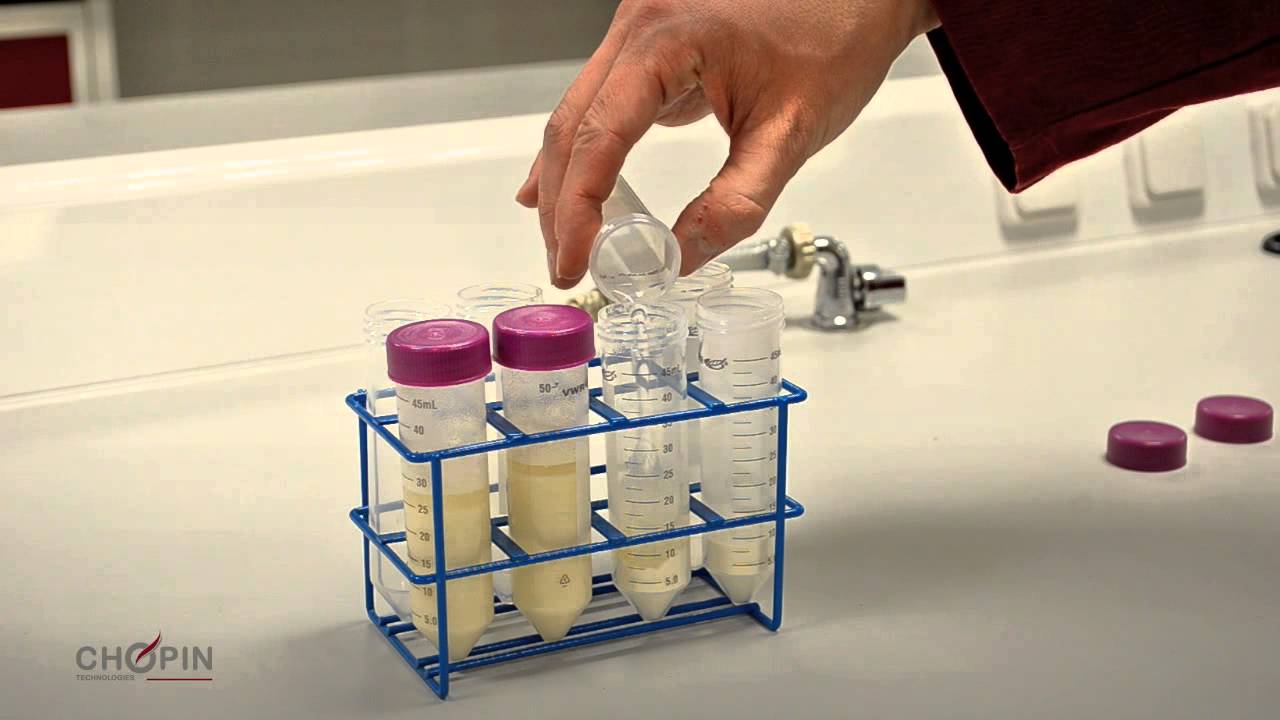
Tip: Utilizing SRC tests in flour quality screening
Source: Senay Simsek and Sosland Publishing Co.
08.27.2024
Pro Tip: There are four solvents that interact with different components of flour to allow for a detailed analysis of a flour's functional properties.
Flour quality is paramount in determining the success of baking processes, directly influencing the texture, volume and overall quality of the final product.
Among the various methods used to assess flour quality, Solvent Retention Capacity (SRC) tests have gained significant attention for their ability to provide a comprehensive profile of flour functionality.
SRC testing is a flour quality assessment method that measures the water-holding capacity of flour when suspended in specific solvents.
The solvents typically used in SRC tests include water, 50% sucrose solution, 5% sodium carbonate solution and 5% lactic acid solution. Each solvent interacts with different components of the flour, allowing for a detailed analysis of the flour's functional properties:
Water SRC: Reflects the overall water absorption capacity of the flour, which is influenced by the presence of damaged starch, gluten and pentosans.
Sucrose SRC: Provides insight into the pentosan content, particularly arabinoxylans, which play a crucial role in water absorption and dough viscosity.
Sodium Carbonate SRC: Targets the damaged starch content, a critical factor in water absorption and dough handling properties.
Lactic Acid SRC: Indicates glutenin quality, offering a measure of the flour's gluten strength and elasticity.
The versatility of SRC tests makes them an invaluable tool for flour quality screening in both the milling and baking industries. Here are some key applications:
Assessing Flour Consistency: SRC tests allow millers and bakers to monitor the consistency of flour from different batches. By comparing SRC values, discrepancies in flour quality can be identified, ensuring uniformity in production processes. This is particularly important for large-scale operations where consistency is key to maintaining product quality.
Predicting Baking Performance: The ability of SRC tests to profile different flour components makes it a predictive tool for baking performance. For example, high lactic acid SRC values typically correlate with strong gluten, which is desirable for bread flour. On the other hand, low sodium carbonate SRC values may indicate a lower level of damaged starch, which is advantageous for cakes and pastries where a tender crumb is preferred.
Optimizing Flour Blending: Millers often blend flours from different sources to achieve desired baking characteristics. SRC tests provide detailed information about the functionality of each flour, allowing for more precise blending to meet specific product requirements. This optimization not only improves product quality but also enhances cost efficiency by reducing the need for excessive trial and error.
Quality Control and Troubleshooting: Inconsistencies in baking performance can often be traced back to variations in flour quality. SRC testing serves as a diagnostic tool to identify specific issues, such as excess damaged starch or weak gluten, enabling bakers to adjust their formulations or processes accordingly.
As consumer demand for high-quality baked goods continues to rise, the role of SRC tests in flour quality screening is likely to expand.
Advances in testing technology and the integration of SRC data with other quality metrics could lead to even more precise control over flour functionality, paving the way for innovative baking solutions.
SRC tests are a powerful and versatile tool in the arsenal of millers and bakers, providing detailed insights into flour functionality that are crucial for ensuring product quality and consistency. As the industry evolves, the importance of reliable flour quality screening methods like SRC tests will only grow.
References:
Kweon, M., Slade, L. & Levine, H. (2011). Solvent retention capacity (SRC) testing of wheat flour: principles and value in predicting flour functionality in different wheat-based food processes. Cereal Chemistry, 88(6), 536-552.
AACC International. (2000). Approved Methods of the American Association of Cereal Chemists, Method 56-11.02. Solvent Retention Capacity Profile.
Gaines, C.S., Finney, P.L. & Donelson, J. R. (1996). Single-laboratory validation of solvent retention capacity (SRC) method for predicting functionality of soft wheat. Cereal Foods World, 41(9), 635-641.
Slade, L. & Levine, H. (1994). Structure-function relationships of cookie and cracker ingredients. Wheat flour milling: An overview of the wheat industry.
Dr. Senay Simsek, serving as the department head, professor and dean’s chair in food science at Purdue University, possesses a background in cereal science, technology and wheat quality. Her goal is to foster collaboration between producers, scientists and food processors, optimizing research potential in this area.
الاستفادة من اختبارات SRC في فرز جودة الدقيق
هناك أربعة مذيبات تتفاعل مع مكوّنات مختلفة في الدقيق لتتيح تحليلاً مفصلاً لخصائصه الوظيفية.
تُعد جودة الدقيق عاملاً حاسماً في نجاح عمليات الخَبز، حيث تؤثر مباشرةً على القوام والحجم والجودة العامة للمنتج النهائي.
ومن بين الطرق المختلفة المستخدمة لتقييم جودة الدقيق، اكتسبت اختبارات سعة احتجاز المذيب (SRC) اهتماماً كبيراً لقدرتها على تقديم ملف شامل لوظائف الدقيق.
اختبار SRC هو طريقة لتقييم جودة الدقيق من خلال قياس قدرته على الاحتفاظ بالماء عند تعليقه في مذيبات محددة.
عادةً ما تشمل المذيبات المستخدمة في اختبارات SRC ما يلي:
الماء
محلول سكروز تركيزه 50%
محلول كربونات الصوديوم تركيزه 5%
محلول حمض اللاكتيك تركيزه 5%
ويتفاعل كل مذيب مع مكونات مختلفة من الدقيق، مما يسمح بتحليل مفصل لخصائصه الوظيفية:
1. SRC الماء
يعكس القدرة العامة للدقيق على امتصاص الماء، والتي تتأثر بوجود النشا المحطم ، والجلوتين، والبنتوزانات.
2. SRC السكروز
يوفر فهماً حول محتوى البنتوزان، وخاصة الأرابينوكسیلان، الذي يلعب دوراً محورياً في امتصاص الماء ولزوجة العجين.
3. SRC كربونات الصوديوم
يستهدف محتوى النشا المحطم ، وهو عامل حاسم في امتصاص الماء وخواص التعامل مع العجين.
4. SRC حمض اللاكتيك
يشير إلى جودة الجلوتينين، ويقدم مقياساً لقوة مرونة وصلابة الجلوتين في الدقيق.
---
تطبيقات مهمة لاختبارات SRC
إن مرونة واستخدامات اختبارات SRC تجعل منها أداة لا غنى عنها في فرز جودة الدقيق في كلٍ من صناعة الطحن وصناعة المخبوزات. وفيما يلي بعض التطبيقات الرئيسية:
✅ تقييم اتساق جودة الدقيق
تتيح اختبارات SRC للطحانين والخبّازين مراقبة اتساق الدقيق بين دفعات الإنتاج المختلفة. ومن خلال مقارنة قيم SRC يمكن تحديد أي فروقات في الجودة، مما يضمن تجانس العمليات الإنتاجية، وهو أمر بالغ الأهمية في العمليات واسعة النطاق لضمان ثبات جودة المنتج.
✅ التنبؤ بأداء الخَبز
لقدرة اختبارات SRC على تحليل مكونات الدقيق المختلفة دور في التنبؤ بأدائه في الخَبز.
فعلى سبيل المثال:
القيم العالية لـ SRC حمض اللاكتيك ترتبط عادةً بجلوتين قوي، وهو أمر مرغوب في دقيق الخبز.
في المقابل، القيم المنخفضة لـ SRC كربونات الصوديوم قد تشير إلى مستوى أقل من النشا المحطم ، وهو ما يُفضل في الكعك والمعجنات التي تتطلب قواماً هشاً وطرياً.
✅ تحسين مزج الدقيق
غالباً ما يقوم الطحانون بخلط أنواع دقيق مختلفة للحصول على خصائص خبز مرغوبة. وتوفر اختبارات SRC معلومات مفصلة حول وظائف كل نوع دقيق، مما يسمح بإجراء خلط أكثر دقة لتلبية متطلبات منتجات محددة، الأمر الذي يحسّن جودة المنتج ويزيد من كفاءة التكلفة من خلال تقليل الاعتماد على التجربة والخطأ.
✅ مراقبة الجودة وحل المشكلات
يمكن تتبع كثير من مشكلات الخَبز إلى اختلافات في جودة الدقيق. وتعمل اختبارات SRC كأداة تشخيصية لتحديد مشاكل محددة، مثل زيادة النشا المحطم أو ضعف الجلوتين، مما يمكّن الخبّازين من تعديل الصيغ أو العمليات وفقاً لذلك.
---
نظرة مستقبلية
مع استمرار ارتفاع طلب المستهلكين على المنتجات المخبوزة عالية الجودة، من المرجح أن يتوسع دور اختبارات SRC في فرز جودة الدقيق.
وقد يؤدي التقدم في تكنولوجيا الاختبار ودمج بيانات SRC مع مقاييس جودة أخرى إلى تحكم أكثر دقة في وظائف الدقيق، مما يمهد الطريق لحلول مبتكرة في الخَبز.